



Published on
What PE Boards Want in Healthcare Executives
GrowthDx Episode 2
What actually separates executives who thrive in private equity-backed healthcare from those who burn out?
In Episode 2 of GrowthDx, host Ashley Kent (Founder & CEO of Clearstart) is joined by Pamela Zients, Partner in the Healthcare & Life Sciences Practice at JM Search. Bringing 20+ years of healthcare experience spanning health systems, startups, consulting, and investor-backed executive search, Pam provides an insider’s look at how boards and investors are evaluating C-suite talent today.
Key Takeaways & Discussion Highlights
1. Today's "White Hot" Talent Market
Why the 2026 hiring demand feels like the Covid days (2020 and 2021), but is driven by fixing underperforming assets rather than overhiring.
2. The PE vs. VC Talent Divide
Bridging the gap between "growth at all costs" and true cash-flow profitability.
3. The "Hamilton" Executive Candidate
Why boards are betting on scrappy, hungry first-time CEOs over career incumbents.
4. AI Fluency in the C-Suite
Why AI curiosity is now a mandatory requirement on nearly every executive scorecard.
5. The Evolving Chief Commercial Officer
What companies get wrong when hiring their first true growth leader.
About Our Guest
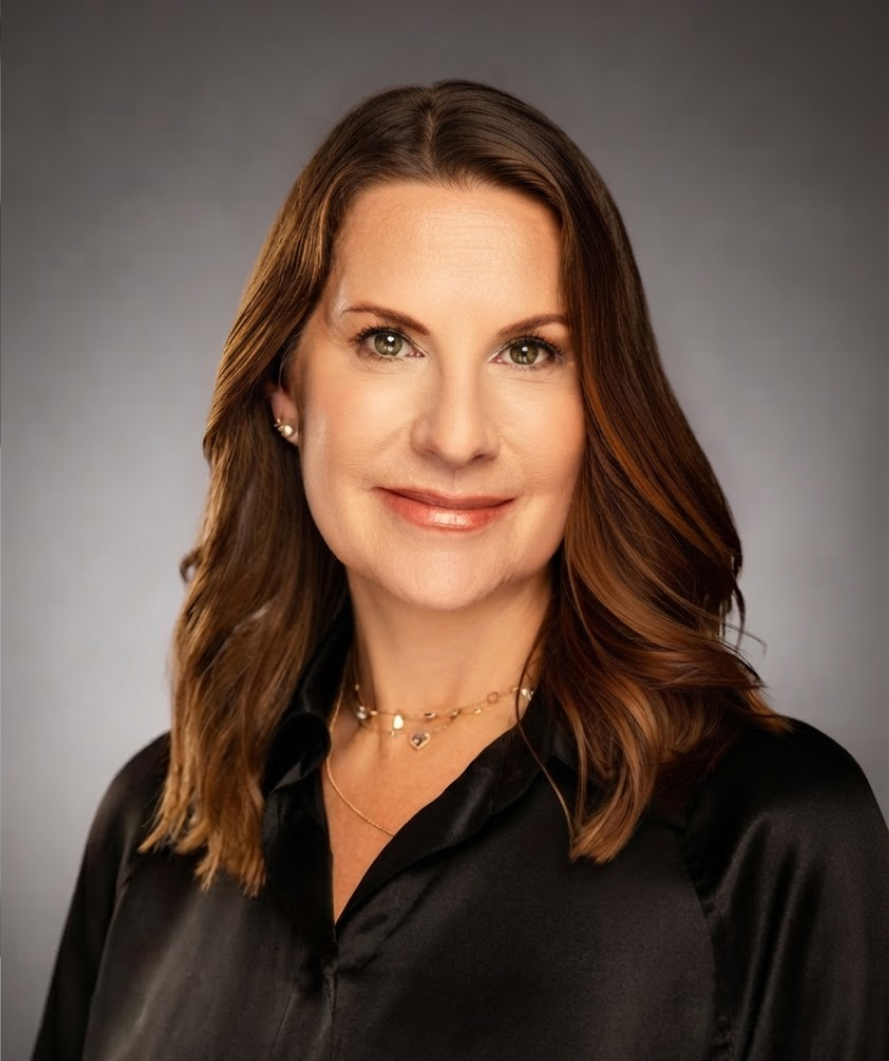
Pamela Zients is a Partner at JM Search and a member of the firm’s Healthcare & Life Sciences Practice. An industry veteran, Pam thrives on partnering with companies dedicated to delivering innovative services and technologies that improve the quality, cost, and efficiency of the U.S. healthcare system. She specializes in executive leadership recruitment for investor-backed healthcare organizations, placing candidates across functional roles including CEO, COO, CTO/CIO, CFO, and commercial leadership.
Prior to joining JM Search, Pam spent over five years with Chasm Partners, a boutique healthcare search firm. She ventured into executive search after 20+ years in business development, client success, and consulting for healthcare startups and health systems. Throughout her career, she has worked with seed-stage companies, non-profits, and publicly traded organizations, including tenure with The Advisory Board Company, HCA, and SCL Health. She began her career as a journalist covering fiscal, monetary, and trade policy in Washington, D.C.
Pam earned a B.A. in Political Science from Emory University and an M.B.A. from Columbia University. She and her husband are empty nesters dividing their time between the Colorado mountains and the Arizona desert. Outside of work, Pam enjoys climbing mountains on foot and bike, reading, and tackling all sorts of puzzles.
Connect with Pamela Zients on LinkedIn: linkedin.com/in/pamela-zients-206233/
Learn More About JM Search: jmsearch.com
Episode Transcript
📄 Click to Expand Full Episode Transcript
Ashley Kent (00:00): Hello, I'm Ashley Kent. Welcome to Growth DX. I am joined here today with Pamela Zients.
Ashley Kent (00:08): She is joining us from the mountains of Colorado, which we're all jealous of here in our summer heat. but she is a partner at JM
Pam (00:16): Okay.
Ashley Kent (00:18): Search, where she works with investor-backed healthcare companies to place executive leaders across pretty much every seat at the table. I actually just met her a couple months ago over the summer, and we immediately clicked. She was actually one of the very first meetings that I had sitting across from her at a Starbucks. and while
Ashley Kent (00:35): Obviously, her job is technically in talent, and further conversations that I had with her throughout the conference, I was really impressed with just her expertise in the healthcare space more broadly. given she spent more than 20 years inside the space from HCA to health systems to startups, consulting, and then now executive search. She has such an incredible pulse on where the industry's going, where capital's moving, and what it means for leaders building these companies. So we're gonna cover a lot of
Ashley Kent (01:04): of
Ashley Kent (01:04): ground today, talking through a healthcare talent market, but honestly I'm excited to probe into your brain as we're thinking about just the broader industry in general. So thank you so much for being here today.
Pam (01:16): Well thanks for having me. I'm excited for our discussion.
Ashley Kent (01:20): Well perfect. Well, I know I gave a little bit of background on you, but I think no one says it better than the person who has lived through it. I'd love for you to bring everyone up to speed on just your journey of what brought you to where
Pam (01:33): Sure.
Ashley Kent (01:33): you are today.
Pam (01:35): Great.
Pam (01:35): I'll try to keep it brief because you did a good job. So I came into executive search about seven years ago. I like to say mid career for some people, maybe it would be late career. prior to that, I had spent about 20 years in healthcare. you mentioned I worked for hospital systems doing strategy, business development, planning work. did a four year stint at the advisory board company where I had worked in my 20s. So I was what they call boomerang there.
Pam (02:02): Went to a startup in digital health before we called it digital health. Unfortunately, we failed. and then eventually found my way into executive search, you know, as I mentioned about seven years ago. I was with a small boutique firm and then I moved over to JM Search in January of 2025. We are a, we like to say we are Goldilocks firm. We're not a little boutique, and we're not what in my industry we call a SHREK firm, which is Spencer Short, Russell Reynolds, et cetera. We're somewhere in the middle. We have about 50 people in our healthcare practice.
Pam (02:30): And about 300 people firm-wide, growing leaps and bounds. Our focus is mostly on investor-backed companies, particularly in healthcare. It's private equity from lower middle market all the way up to bigger companies, and then also some venture private or public companies as well.
Ashley Kent (02:49): Very cool. you have literally dipped your toes into almost every single angle of healthcare, which is why I guess coming out of the week with you, I was like, wow, she really knows her stuff. you have quite a unique vantage point. and I'm curious.
Ashley Kent (03:03): Too, just diving right in, you have this really unique opportunity where you're constantly talking to investors, boards, even CEOs and executives across healthcare. And as you're looking at the talent market right now, what would you say it's telling you about the state of healthcare just more broadly?
Pam (03:22): Yeah. the
Pam (03:24): Investor-backed healthcare talent market remains, I would say, white hot. Our healthcare and life sciences practices are very busy. I make a habit of befriending my competitors. So when I talk to peers at other firms, I'm hearing the same thing. I was talking to one firm yesterday, said they are having to turn away business in their healthcare practice because they're they're so busy. So it's a great problem for us to have. it's stressful, but it feels a little bit like 2021.
Pam (03:52): when we were coming out of COVID and there was huge demand for executive talent, but I think the reasons right now are very different. Happy to elaborate on that,
Ashley Kent (04:01): we'd love to hear why I mean I'm curious to hear
Pam (04:03): Yeah.
Ashley Kent (04:03): the shift from even 2021 to now and you know what what what's actually happening and driving that.
Pam (04:09): Yeah, I think in 2021, particularly on the venture side and also in PE, deals were like flowing like Niagara Falls. And
Pam (04:18): Companies were just getting money and hiring executives, sometimes overhiring or hiring ahead of when they need it. For example, we're a 50-person company, let's hire a CHRO. You probably don't need a CHRO when you're a 50-person company, right? So I think there was a lot of just money flowing and hiring. Today, I think demand is coming from a mix of you know, underperforming assets needing an executive shakeup, long-held portfolio companies.
Pam (04:47): Companies that sort of need a new chapter, and then the true growth plays where they're upgrading leadership to say, okay, we scaled to 75 million, now we got to get to 150, and we need new leaders who know that journey versus the 25 to 75. so I think you know, 2021 was about hiring executives to capture growth. Today a lot of hiring is about creating growth or fixing what is preventing it. Yeah.
Ashley Kent (05:10): Hmm. Well I'm curious
Ashley Kent (05:11): too, you've got a lot of the companies that a lot of the cash was going into in 2020 and 2021 and they've now, you know, grown to a point where if that what got you here won't get you there sort of mentality and a lot of that applies to leadership. and
Pam (05:25): It does.
Ashley Kent (05:26): so having to start to look at other options at that point.
Pam (05:30): For sure, for sure. And also sometimes, you know, especially in the lower market where we have clients, PE clients, who are the first institutional investor that comes in and they're investing in a founder. And usually these are established, profitable companies, been around twenty-five years, maybe a family business, and they're investing
Pam (05:47): in the team and in the founder and if founder wants to stay there they're investing with them but they often need for example their first professional CFO so the demand for strong CFOs never goes away we are continuing to see a significant gap between supply and demand of CFOs who have had successful runs in PE backed companies
Ashley Kent (06:11): Interesting. I'm curious as you start to separate out because it's very different if you're looking at a PE backed company versus a VC backed company and the strategy of building your leadership team within there. What are you seeing right now on the PE side and as they're building out those executive teams that is making them very successful? And how do you think about that really differently as you're placing someone into a VC backed company at maybe the different stages that someone would be at?
Pam (06:36): Yeah, it it's interesting. I think that the lines are starting to blur in terms of talent and the the right profile of talent.
Pam (06:48): I think for many years on the venture side, the mantra was growth at any cost and you know, not as much eye on the ball of getting to cash flow positive. Whereas on the PE side, they're investing in companies that have you know have EBITDA and it's all about the multiple of the EBITDA growing that. So I will hear my PE folks say, Well, that candidate looks a little ventury. They're ventury, they don't know how to run a business that's going to be profitable, but
Pam (07:14): Coming out of you know 2020, and I'm gonna confuse my years. It was a 2023 when the Silicon Valley Bank meltdown happened and money started to dry up a bit. It became harder for venture back companies to get money, they started having to focus on a path to profitability. so I think there are some executives coming out of Later Stage Venture where they're like, I got a company that was far off track.
Pam (07:40): to break even. And so that's a really, really hard journey to do. So I do think that some of those folks who have been successful scaling a venture back company and getting profitability are good candidates for private equity. But there's been a little bit of a, you know, black and white view of their venture person. They don't know PE. so that that's that's an interesting conversation to have with clients, particularly on the PE side when they sort of have this,
Pam (08:07): skepticism around somebody who's coming off venture so yeah.
Ashley Kent (08:11): That's incredibly interesting and
Pam (08:12): Yeah.
Ashley Kent (08:12): Especially during the
Ashley Kent (08:13): growth at all costs phase where people were just throwing money at problems. It wasn't very strategic and you know, how people
Pam (08:19): Yeah.
Ashley Kent (08:20): were growing and profitability was just not even a part of the equation at that point.
Pam (08:24): Yeah.
Ashley Kent (08:25): But as we're looking at, you know, just everything is just getting much tighter and the expectations people are I mean, you've got to get to cash flow positive to be alive at this point. and
Pam (08:35): Yeah.
Ashley Kent (08:35): you know, it'd be interesting to see if kind of that profile of a person, you know, who maybe was in a private equity backed
Ashley Kent (08:42): company is now maybe more attractive on the VC side because it's becoming more
Pam (08:46): Mm-hmm.
Ashley Kent (08:47): of a priority at this
Pam (08:48): Yeah.
Ashley Kent (08:48): point. And if you've been seeing any of that.
Pam (08:50): Yeah,
Pam (08:51): some I think you know, again, there's a little bit of a Chinese wall still, I think, with venture and PE talent. But I I do see people who maybe were in venture early, they had an exit, they went into PE, they got into a company, it got big, it got layered, and they're like, I wanna go back to the scrappy gritty, I wanna go back to a sub twenty million dollar company and have that run all over again. So we definitely see that
Ashley Kent (09:16): Super interesting. I'm
Pam (09:18): Yeah.
Ashley Kent (09:18): curious from that person, you said, you know, someone's "too ventury." ~
Ashley Kent (09:21): as you're defining what we'll say "a great healthcare CEO" would look like, how would you define them differently across venture
Pam (09:30): Mm-hmm.
Ashley Kent (09:30): versus private equity?
Pam (09:32): I think like the core profile of a CEO, whether it's venture or private equity, I don't think it's changed that much. I think regardless, there is still a strong belief that past performance predicts future success. and so whether you're going to a middle market private equity company or a series C venture-backed company.
Pam (09:53): They want to know that this individual has a history of doing whatever it is they're looking to do. If it's a turnaround, if it's a fix of grow, if it's a they took a company from 50 million to 100 million. They want the evidence that they've done that. I have seen on both sides some willingness to flex, particularly around first-time CEOs. and, you know, openness to people stepping up from a COO.
Pam (10:21): Or a GM or even a CCO role or even a product strategy role. So many of our clients value, I call them "Hamilton candidates." So scrappy and hungry, if you ever saw the musical, right? I see a lot of excitement around those kind of candidates. It's about ambition, energy, resourcefulness, hunger, but really something to prove versus something.
Pam (10:45): Who's done the same CEO job four times and thinks they can do it in their sleep? I think the other thing that is put and this this goes across not just CEO, but I would say pretty much
Pam (10:57): Every role we are doing, something that investors are prioritizing now that we were not hearing three or four years ago. I'm sure you can guess what it is. It's it's like the mammoth in the room, not the elephant anymore, but AI. AI fluency is the clearest new requirement. Boards want leaders who can make intelligent AI investments, deliver margin and productivity improvements, and really separate real value creation gleaned from AI from chasing shiny
Pam (11:25): objects. so it's not that they're looking for someone to be an AI technologist. It's knowing where AI can materially improve the business and how to implement it and make the investments responsibly. That's I think the biggest thing when we when we launch a search and we create a scorecard of the criteria, the AI fluency or AI curiosity is pretty much on every scorecard right now. So
Ashley Kent (11:47): That's
Ashley Kent (11:47): incredibly interesting, and especially for executives that are currently holding roles and you know are
Pam (11:51): Mm-hmm.
Ashley Kent (11:52): whether a turnaround CEO or whatever it may be that they're stepping into having that, which kind of lends itself to exactly what you were saying of starting to look at that scrappy and hungry sort of mentality. That those are probably the people that are more in the operations of actually implementing that and have lived lived it firsthand to be able to figure out where to plug an AI. and they're gonna have
Pam (12:12): Yeah.
Ashley Kent (12:13): more of a seat at the table of building that prior where they could then make.
Ashley Kent (12:16): bring that expertise into another company.
Pam (12:18): Yeah, for sure.
Ashley Kent (12:21): That's incredibly interesting. And you know, it's it it's finding that balance of like you said, it's you know, are you someone who has, you know, grown a company from 10 to 100 million or, you know, w what is the expertise that you're trying to lean into
Pam (12:33): Exactly. Yeah.
Ashley Kent (12:35): Well, I know you spend a good majority of your time with private equity backed companies. I'm curious, you know, what do you see separates executives that are incredibly successful in a PE backed environment versus maybe somewhere else?
Pam (12:50): Yes, I think the key thing is range. They need to be able to work
Pam (12:55): up and down the organization. These businesses are very lean. So the leaders need to be lean. They might not even not even have an executive assistant or the infrastructure they may have had earlier in their career. I have a lot of CEOs when I ask them, who do I work with to schedule? Me. I don't have anybody, right? So I think range is the most important thing. They need to be able to be on the front line and also manage upward to a sophisticated PE board. And they need to balance margin emission.
Pam (13:24): We're in healthcare, a lot of your frontline staff who's far removed from the board are mission-oriented. They might be clinicians, you know, depending on the business. They're in healthcare because they want to serve and help people. So balancing from a cultural perspective, mission, but with accountability towards margin, they have to be decisive. and again, they have to be willing to get in the details when necessary. I've I've gotten calls before from PE firms or their portfolio companies after they've hired
Pam (13:54): Some, you know, big company person. they were 20 years at CVS or 20 years at Aetna, but they failed to transition because they couldn't they couldn't really adjust to life without all the bells and whistles. They weren't used to sweeping the floors and making the coffee. And so, I mean, it's it I would say it's not universal though, because I often get introduced to someone who's trapped within a super big company. They've been there twenty years. They've stayed because that company has afforded them
Pam (14:24): promotion and opportunity to learn new things, but they're itching to get out. They're they're sick of bureaucracy, they're sick of the politics, and they want to be somewhere more entrepreneurial But you really have to test for that to make sure can you go somewhere where you're not gonna have an EA So yeah.
Ashley Kent (14:39): But I no, and I love that
Ashley Kent (14:41): because I think there's such a misconception too that within a private equity backed company that the cash is flowing, right? But at the end
Pam (14:46): Mm.
Ashley Kent (14:47): of the day, they're, you know, focused on margin and growing EBITDA. And so, you know, that's gonna be you're gonna be very limited on your resource and they're gonna try and, you know, get as extract as much value out of the team that you currently have or whichever resources you're tapping into. and that can be a total misconception that someone would maybe have.
Pam (15:05): Yeah.
Ashley Kent (15:05): Which could be another misconception as well is, after private equity has acquired a company, you know, the fear is are they gonna come in and completely shake up the leadership team and, bring in someone with a big logo behind their name to be able to grow this. And, you know, from what I'm hearing
Pam (15:19): It's really.
Ashley Kent (15:19): you say, it is, you know, less about that
Ashley Kent (15:22): And,
Ashley Kent (15:22): they want the the founder that has been building this and, you know, if it is a mission oriented company, like you said in healthcare, most of the time it is, you know, they're gonna have that, but then maybe the the other resources they're able to apply to this.
Ashley Kent (15:34): for them to really understand how to scale and grow beyond what they were able to do on their own.
Pam (15:39): Yeah.
Pam (15:39): And one thing that you sort of mentioned about are they gonna come in and like rip out the leadership team? I think sometimes that's what's needed, but oftentimes we're bringing in a new leader and we the board and the CEO is might
Pam (15:56): might think there is some shuffling of the deck that needs to happen in the underlying team. And I I always ask people, you know, how are you going to assess the team and make those very difficult decisions? And I love when someone's like, I'm not going to come in and fire a bunch of people and and put in my people. I'm going to take 90 days. I'm going to assess people and get to know them. And I'm going to determine are they in the right role? If not, is there someone else, is somewhere else they can go? And if not, how do I help them land somewhere else? And do that in a way that doesn't
Pam (16:26): get everybody shaking in their shoes. but I I do think someone who's a bowl in the china shop generally isn't the right person unless that's exactly what the PE firm is looking for. Which sometimes they are. So
Ashley Kent (16:38): Sometimes they are And you know, it does
Ashley Kent (16:40): differ too between if you're, you know, acquiring say a clinical practice versus say, you know, a service-oriented company that is serving healthcare in a different way. It can look entirely differently and what that implementation period looks like within there.
Pam (16:54): Yeah.
Pam (16:55): Yeah.
Ashley Kent (16:56): I'm curious, you know, when to that point, like if an investment thesis depends on aggressive growth, and acquisitions or, you know, operational transformation is is very different than maybe w how someone was operating before, how much does leadership ultimately decide and determine where that thesis succeeds?
Pam (17:15): Yeah, I mean I I think that
Pam (17:17): Leadership is critical. but I think we have to avoid the people are everything answer. The team has to be highly capable. More importantly, they have to be aligned. They have to have a healthy tension, the ability to bait, and then say, okay, this is where we're going. And if that's not where you wanted to go, Ashley, then get on board and move on. egos, turf wars, lack of trust can undermine even an individually talented group.
Pam (17:47): -
Pam (17:48): -
Pam (17:48): But I think even the best high-performing teams will struggle if the underlying fundamentals are weak. You don't have product market fit. The market is moving against the business and you're not able to pivot or evolve. Or the sponsor expectations are unrealistic. You know, when you I often talk to people and I'm like, you've only been in this role a year. Why are you talking to me? Well, I came into the business, it was a $50 million business. They wanted to grow to $75 million a year. I I was told there was pipeline.
Pam (18:18): was told it was happening. I got in, found the pipeline was vaporware. And guess what? We're not gonna make those numbers and I'm worried I'm I'm trying to get ahead of them removing me. Right. So I think there's i if the fundamentals are weak underlying, even the best team might not be able to work its magic. So
Ashley Kent (18:37): actually reminds me that was something that you had brought up before of something to encourage your candidates to do is you know sign an NDA and get under the hood to start to evaluate this ahead of
Pam (18:46): Mm-hmm.
Ashley Kent (18:47): time. And I think that was one of the best pieces of advice I had heard
Pam (18:49): Yes. Yes.
Ashley Kent (18:51): because I can't even tell you the amount of times that I have been they have sold me the stars and the moon. They're looking to be acquired in 12 months, which you know all the things line up to you know we're on the path and it's going to be come
Pam (19:02): Yeah. Yeah.
Ashley Kent (19:04): in quick job and you get in there and it's a dumpster.
Ashley Kent (19:06): fire. and it and it then
Pam (19:08): Right. Right.
Ashley Kent (19:09): reflects on you versus you know the underlying plumbing that's within there and
Pam (19:13): Right.
Pam (19:15): That's right. You're totally right. I always tell people, and I don't know if we're getting ahead of the conversation here, but I always tell my clients, you know, as candidates get further down the path and they get under NDA, show them the warts. Tell them what might surprise you in your first month. And
Pam (19:33): Ask I tell candidates, ask them what's gonna be my biggest surprise, my first month on the job. Like ask these questions because I can't tell you how many times I've had a candidate placement call me 60 days in and say they didn't tell me this, they didn't tell me that. I'm like, okay, did you ask? Well, you know, so oftentimes I talk to candidates and they've had a mulligan, they've had something like this happen where they said, shame on me, I was chasing the CEO role, wanted to be a CEO, I didn't do enough diligence.
Pam (20:03): Next time these are the questions I'm gonna ask. But if they have that pattern three times in a row that happened, then I'm like, shame on you. Like once bitten, twice shy. Ask the questions the next time. Don't have another mulligan, right? So
Ashley Kent (20:18): And not and every company is not perfect and none of them are. But, you know, it and that's where it
Pam (20:21): None are
Ashley Kent (20:24): comes into the personality type of, you know, are you that scrappy person that's gonna come in and are you the
Pam (20:28): Yeah.
Ashley Kent (20:29): builder or are you being sold that this is a quick turn, you know, scale and scale is not
Pam (20:34): Yeah. Yeah.
Ashley Kent (20:35): possible, a non existent foundation and you're dealing with a completely different problem altogether. So
Pam (20:41): Yeah.
Ashley Kent (20:42): No, I think that's the best advice. And honestly, I I started doing it myself when as we're talking to clients and you know, I tell people too, I'm as much vetted vetting you as you guys are vetting me. And, you know, I want to be successful at the end of the day. And I want
Pam (20:52): Right. Yeah.
Ashley Kent (20:54): this to be a mutual success story. so
Pam (20:56): For sure.
Ashley Kent (20:57): I love that. I'm curious as we turn kind of the conversation a little bit more just to the broader commercial just leadership.
Pam (21:04): Mm-hmm.
Ashley Kent (21:04): within healthcare. So I mean you you recruit across a bunch of different functions, CEO operations, finance, technology, all kinds of commercial roles. I'm curious, what are you seeing change specifically around commercial leadership in healthcare today?
Pam (21:18): Yeah, yeah, and and you're right, like our firm recruits across everything. I I do have a little bit of a major in go-to-market searches, so chief commercial, chief revenue, chief marketing, etc. I think the fundamentals have not changed much. Great sales leaders still need a track record of building a repeatable, scalable, predictable sales process and creating accountability and of course hitting numbers. AI again is increasingly an enabler for productivity and efficiency, but doesn't replace those core commercial disciplines.
Pam (21:49): I I sort of alluded to this earlier. We do play pay close attention, particularly with sales leaders, to jumpiness. everybody gets their mulligan but repeated one and two year stints do require pretty deep diligence. so I don't think the core profile of a great sales leader has changed much, but I do think how they're gonna leverage AI, their track record of success and and making sure that is verifiable.
Pam (22:16): I talk to a lot of sales that I did this, I did the I I I. I'm like, where's the we in this? You know, if I talk to your CEO, is he gonna say you did all that? If I talk to your peer in marketing, are they gonna validate this? If I talk to someone who reported to you, are they gonna say the same thing? So remember that.
Pam (22:36): We are we are asking around confidentially. We wanna understand like what you're saying is actually validated by those who who worked with you or for you. So
Ashley Kent (22:46): Super interesting. I'm curious
Ashley Kent (22:48): Within, you know, considering your focus more on the go-to-market function and growth perspective within there, are you seeing where to that point of the we, you know, you have to have that holistic approach to what you're doing? And are companies starting to expect leaders in but either whether it's a marketing or sales function, do they need to start actually understand the entire commercial engine rather than their individual function? I see this all the time being in a marketer.
Pam (23:15): Yes.
Ashley Kent (23:15): I feel like I live with a sales.
Ashley Kent (23:17): hat on, you know, I'm in B2B healthcare and so it's such
Pam (23:20): Mm-hmm.
Ashley Kent (23:20): a you know the best organizations are like this and when they're like this, it's just an absolute, you know what?
Pam (23:26): Yes.
Pam (23:27): We we are, I think a lot of times a company says, well, we're hiring a chief commercial officer. And just, you know, generically speaking, that implies they're gonna own sales, account management, and marketing.
Pam (23:40): Usually what we're looking for first and foremost is a strong sales leader who, by the way, can manage those two. sometimes we're seeing account management peeled out under operations, particularly if it's a heavy delivery, sort of hands-on consultative delivery organization, because that's very operational. But where I'm seeing that the most is in marketing roles. companies increasingly want their marketing leader to be sales enablers who understand positioning, demand gen, top-up funnel creation, sales enablement.
Pam (24:09): pipeline and also the revenue impact. Mid-sized companies are looking for what I call sort of full stack marketers, not just a brand content leader who makes pretty decks, right? marketing attribution is never going to be a perfect science, particularly with our long sales cycle in healthcare, but they really want that strategic analytical marketing leader who can, to the best of their ability, measure their commercial impact. So I definitely see with marketing a big focus on sales enablement and support.
Ashley Kent (24:39): I live and breathe that every single day. I actually was earlier
Pam (24:39): Yeah.
Ashley Kent (24:43): on a you know six month sort of strategy call with one of our clients. And I mean, I think every single question I asked was specific around to their sales motion, the pipeline, you know, because anything that we do on our side should be directly impacting that if we're just posting on LinkedIn or we're just doing these things
Pam (24:58): Yeah.
Ashley Kent (24:59): off to the side, that's not gonna be what's super valuable. But it's a cash 22 because I'll say being in marketing, you know, all those things you listed, they're all very different functions.
Ashley Kent (25:08): It's could be a very different person who's incredibly talented at brand positioning and
Pam (25:12): Yes.
Ashley Kent (25:13): messaging versus getting into the analytical side of all of this. And I think I think we talked about this before. There's very few, it's kind of a unicorn personality that, you know, they probably were a builder in an organization at one point where they had to own all of those functions. But then they were
Pam (25:29): Mm-hmm, yes.
Ashley Kent (25:30): working really, really closely with leadership to really understand just the business
Pam (25:33): Yeah.
Ashley Kent (25:34): and the commercial motion within that. And they've wrote risen up to the top and said,
Ashley Kent (25:38): So I'm I'm curious in marketing specifically, is that something you've been seeing on your side as well? Because I recruit for this too and have lived it. you may not get s the worst hires I've seen are actually those that have come from really large logos where they own a specific function and haven't touched.
Pam (25:52): have a team of fifty. Yeah, exactly.
Pam (25:54): So I I think
Pam (25:57): You know, and I just I just worked on a situation similar to this where we wanted someone who it was it was an established company, it's been around a long time, it's profitable, but they've never invested in marketing in a big way. And they sort of were like, We're at an inflection point and we need to bring in a true professional marketing leader. But this was not gonna be a team of a hundred people. so we had to really focus in on what's most important. usually it is that demand generation.
Pam (26:23): Sales enablement, pipeline. but also we're gonna need a brand refresh. and our website needs this. And we need to figure out digital. So usually the right marketer is gonna say, and I'll ask them this. I say, when you think about the full stack of marketing, what do you do best? And where are you gonna, like if you can hire two or three people, where are you gonna hire them? And then where are you gonna use what you I assume you have a network of 1099 contractors? And so normally they might say, you know, I I need a digital marketer.
Pam (26:53): I need this person doing socials. and I need I'm I I've got a great 1099 graphics person. I you don't want me doing like touching anything graphically. So so it's it's really asking them like where where are you gonna shine and where do you need support? Like you want your marketing leader working at the top of their license. You don't necessarily want them figuring out how to create a beautiful deck. You want them to envision it and have their 1099 graphics person create that, right? So
Ashley Kent (27:19): One hundred percent. And half the battle
Ashley Kent (27:20): is, you know, to your point of people are wanting more and more so strategic marketers and strategy, strategic, that's such a term
Pam (27:25): Yes.
Ashley Kent (27:26): that we all throw around, but it falls into, you know, can you have these higher level discussions with CEOs, other executives at where you're not even talking about marketing at all? And really
Pam (27:35): Yeah.
Ashley Kent (27:36): understanding the commercial growth function and, you know, how marketing then fits into that, and then you translate
Pam (27:39): Yes. Yeah.
Ashley Kent (27:42): down to your team to be able
Pam (27:43): Right.
Ashley Kent (27:44): to then determine what that looks like. my COO
Pam (27:46): Mm-hmm.
Ashley Kent (27:47): Hope and I, we talk about this all the time. It's kind of brand, demand, expand and kind of working within there and kind of what those pillars are. And we've we've thought ruthlessly over like what's the ideal market. If you had to be so lean and you could only choose,
Pam (28:00): Yeah.
Ashley Kent (28:00): you know, a handful of people that are in there, it's that super strategic thinker at the top who's incredibly flexible and can just glean insights from a random offhand comment.
Ashley Kent (28:12): and can ask those right
Pam (28:13): Absolutely.
Ashley Kent (28:14): questions to dig in there, but then you've got to have the demand. We have to have revenue,
Pam (28:17): Yeah.
Ashley Kent (28:17): we have to have sales. and then, you know, then you have to figure out how are we scaling this from there. So it'll
Pam (28:22): For sure. Yeah.
Ashley Kent (28:24): be interesting. I'm curious on the flipping back to the chief commercial officer profile. I've worked
Pam (28:30): Mm.
Ashley Kent (28:30): with obviously a handful of those. I'm curious from your perspective at
Ashley Kent (28:34): various stages, you know, because like you said, you're gonna have the builder at a certain point and you're gonna have the person who has done this a hundred times who could come in here. I have my own thesis of what makes an incredible chief commercial officer, but I'm curious from your perspective, maybe kind of give us two examples of different types of companies that you've seen
Pam (28:52): Mm-hmm.
Ashley Kent (28:53): different types of profiles of chief commercial officers being successful in.
Pam (28:57): sometimes when we come into the picture, we're coming in the heels of one or two failed commercial leaders. So maybe it was they overhired someone from a big company, or they you know they brought in a big name person.
Pam (29:10): who knew how to run a playbook but didn't know how to build one and then sometimes they underhired like maybe it was you know a family friend or a former colleague or you know somebody a the brother-in-law who didn't really have sort of that rigorous process. so I think there's a there's a couple different profiles there is the company that is established been founder led but never really had a true sales motion or outbound sales motion and then you're
Pam (29:38): bringing in that builder and that is your player coach as we say they are going to come in maybe inherit two sales reps and might have to then hire additional ones or transition and they're gonna have to put in place that you know repeatable scalable predictable sales engine they might have to actually take a a CRM that's been sitting there and use and optimize it. Now you don't want that person creating your reports they're gonna probably want a sales enablement person as their one hire but
Pam (30:06): But they're the ones who are going to stand up your process, get the engine running smoothly, and along the way hire the right people while also, by the way, being out there selling on their own. and that profile could be someone who's done that before, or it could be someone who maybe was an individual seller, maybe had one report, but is hungry to get into leadership. And again, that "scrappy hungry Hamilton" has something to prove to themselves and the company, and they're gonna come in and sort of -
Pam (30:35): crush that, right? So that that's more in a company where it's been founder led, didn't have a true sales function, or it is an earlier stage company where they're hiring the first leader.
Pam (30:47): Where you sometimes want a more established person is okay, we're we're a hundred and fifty million dollar company. We're sort of stagnated. We need to maybe revamp a bit of our go-to-market motion, and we want to get from you know 150 to 250. Then you're bringing in someone who's a little bigger who's maybe a leader of leaders, because at that stage you might have a VP of sales with four reps, and maybe you've got a VP of marketing and VP of account management. So there you're looking for someone who has
Pam (31:17): Probably touched on you know all those functions to some degree, maybe maybe managed marketing a little bit, but probably not a marketer, but someone who is more of that leader of leader. But when you're looking at your leader of leaders again, you don't want someone who is sitting in their office staring at Salesforce.com all day and pinging people. You still want them leading from the front, you still want them to drive along with reps out in the field, but also knowing when they need to get in and when they don't. So I think there's a balance of wanting to have your hands in everything, but getting to a maturity and
Pam (31:46): sales leadership role where I know when I gotta jump in and be boots on the ground and I know when my team has it. does that answer the question, Ashley? I want to make sure. Okay. Yeah. Yeah.
Ashley Kent (31:54): No, that was awesome because I actually just lived through this with one of our clients.
Ashley Kent (31:58): And I think we we thought we were more on that later stage than once we got under the hood. back to our
Pam (32:03): Yeah.
Ashley Kent (32:04): previous conversation, the infrastructure just didn't exist. And so we had to do the non sexy part of actually building up all
Pam (32:09): Yeah.
Ashley Kent (32:10): of the process, actually adding in a pipeline call and having standards and structure around that and you know, really starting to build up the team. And like you said, you're that builder plus the player coach who's
Pam (32:19): Yeah. Mm-hmm.
Ashley Kent (32:21): getting in there with them. and so
Ashley Kent (32:23): Definitely something that
Pam (32:24): Yeah.
Ashley Kent (32:24): I see a lot. And and it's finding that interesting balance too, especially if you're an earlier stage company. If you're bringing in a chief commercial officer, you you probably are hoping that they're gonna come with some level of contact, some way, you know, to be able to make some
Pam (32:36): Yeah.
Ashley Kent (32:36): introductions. So they have to have enough tenure, you know, in the space to have built those. But to your point,
Pam (32:41): Yeah.
Ashley Kent (32:42): you know, I mean, yeah, if you can have someone that has had to build this on their own elsewhere and they
Pam (32:47): Yeah.
Ashley Kent (32:47): know best practices, I think that's the biggest disconnect I've seen. If they don't know those best practices, but they have.
Ashley Kent (32:53): 'Cause they've had the teams under them building prior, but they have contacts, it's still there's that disconnect. So if you can find that map
Pam (32:57): Right. Yeah. And but I I also
Pam (33:00): do caution a little bit about indexing too heavily on a network. a network gets you a call, but if the person on the other end of the call doesn't have a need for what you're selling or it's not solving a burning problem, you're not going to get past that first call. you know, one thing we didn't really talk about is, you know, whether people will sort of hire slightly left to center of their spec. And so

